
AUSTRAC vs. ASIC: Who Will Regulate Crypto in Australia’s Future?

As Australia prepares to introduce a comprehensive licensing framework for crypto asset service providers, questions remain about which regulator will take the lead. The two primary candidates are AUSTRAC, the anti-money laundering and counter-terrorism financing authority, and ASIC, the corporate and financial markets regulator. Each plays a different role under current laws, but the future […]
AUSTRAC’s View on Token Mapping and the Limits of NFT Exemptions
Australia’s evolving approach to digital asset regulation includes a key concept known as “token mapping”—categorising different types of crypto assets based on their function and regulatory implications. While the concept supports a tailored regulatory response, AUSTRAC’s position suggests a more simplified and risk-focused approach, especially when it comes to non-fungible tokens (NFTs). This article explains […]
Custody of Crypto Assets in Australia: Regulatory Risks and Future Rules
As crypto adoption increases, the role of custodians—businesses that hold and safeguard crypto assets on behalf of clients—has come under increased regulatory scrutiny. In Australia, the current rules for crypto custody remain limited, but proposed reforms aim to establish a more robust framework. This article outlines the current situation, the regulatory gaps, and what to […]
FATF Standards and What They Mean for Crypto Businesses in Australia

The Financial Action Task Force (FATF) sets the global standards for combating money laundering and terrorism financing. As a founding member of FATF, Australia is committed to aligning its regulations with these international expectations. For crypto businesses, FATF’s standards are shaping both current compliance obligations and future licensing requirements. This article explains what FATF requires, […]
How to Get a Crypto License in Australia: A Step-by-Step Guide
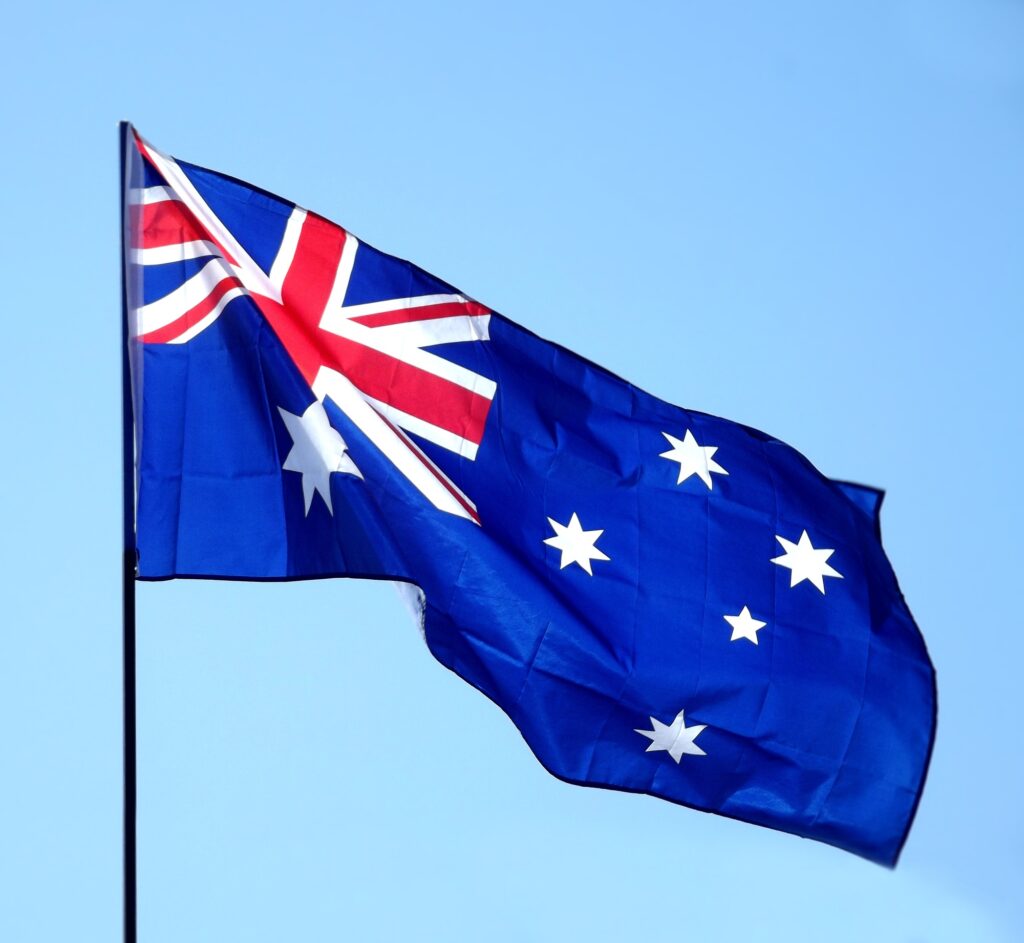
As Australia’s digital asset sector matures, regulators are tightening their approach to ensure that crypto service providers meet international anti-money laundering (AML) and consumer protection standards. If you’re planning to launch a crypto business in Australia, this guide explains how to get registered and how to prepare for future licensing requirements. Step 1: Determine if […]
Compliance Checklist for DARE-Licensed Digital Asset Businesses

Companies licensed under the Digital Assets and Registered Exchanges (DARE) Act, 2024 in The Bahamas are subject to a comprehensive set of compliance requirements. These obligations cover both the initial registration process and ongoing operational standards, ensuring businesses remain aligned with international best practices, especially in areas of AML/CFT, risk management, and corporate governance. This […]
Understanding the Bahamas DARE Act 2024: A Guide for Crypto Businesses
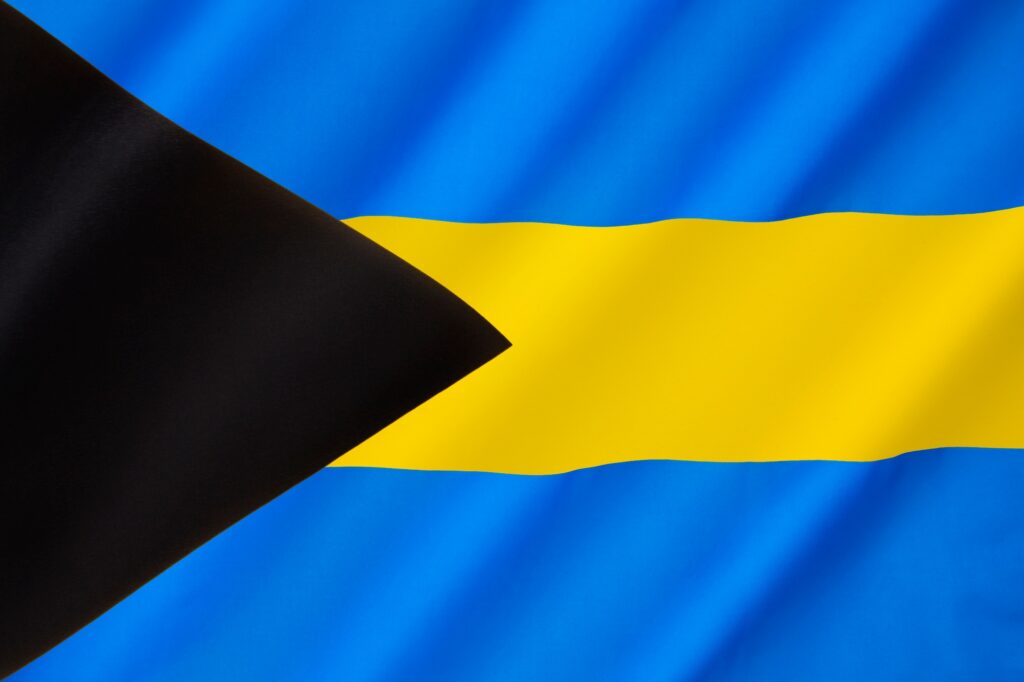
The Bahamas continues to lead the Caribbean and offshore world in digital asset regulation with the introduction of the Digital Assets and Registered Exchanges (DARE) Act, 2024. This updated framework is designed to enhance transparency, foster innovation, and ensure compliance with global standards while making The Bahamas an attractive jurisdiction for crypto businesses. This guide […]
How to Start a Money Services Business in Puerto Rico: Requirements and Process Under Act 136-2010

Establishing a Money Services Business (MSB) in Puerto Rico offers significant opportunities, particularly given the island’s strategic location and alignment with U.S. regulatory standards. However, the process is strictly regulated under Act 136-2010. This guide outlines the key requirements and steps for launching an MSB on the island. What Qualifies as a Money Services Business? […]
Anti-Money Laundering and Compliance Obligations for Financial Entities in Puerto Rico

In Puerto Rico, financial entities are subject to stringent anti-money laundering (AML) and compliance regulations that align with both federal U.S. standards and local laws. These obligations are enforced by the Office of the Commissioner of Financial Institutions (OCIF) under Acts 136-2010 and 273-2012, ensuring transparency, accountability, and integrity within the financial system. Who Is […]
Money Transmitter vs. International Financial Institution License: Which One Fits Your Business?

Puerto Rico offers two primary licenses for companies operating in the financial sector: the Money Transmitter License under Act 136-2010 and the International Financial Institution (IFI) License under Act 273-2012. While both provide access to valuable business opportunities, they serve distinct purposes and have different requirements. This article compares the two to help you decide […]
 English
  Chinese
  French
  Spanish
  Italian